Cash Flow vs Profit: Why You Can Be “Profitable” but Still Broke
The numbers looked good. Revenue was growing. The profit line was positive. The business owner felt confident, until rent was …


The numbers looked good.
Revenue was growing. The profit line was positive. The business owner felt confident, until rent was due and the bank balance said otherwise.
No cash. No room to breathe.
This is one of the most common and confusing business problems. Many founders ask the same question.
“How can my business be profitable and still broke?”
The answer lies in understanding cash flow vs profit. They are related, but they are not the same thing. Confusing them is one of the fastest ways to kill a business.
What Profit Really Means
Profit is an accounting concept.
It is what remains after you subtract expenses from revenue over a period of time.
In simple terms:
Revenue
minus Expenses
equals Profit
Suggested read: How to Manage Cash Sales, Cash Expenses, and Keep Clean Records
Profit tells you whether your business model works on paper.
It does not tell you whether you can pay bills today.
What Cash Flow Really Means
Cash flow is about movement of money.
It answers one question.
“How much cash actually entered and left my bank account?”
Cash flow tracks:
- Money received from customers
- Money paid to suppliers
- Salaries, rent, and overheads
- Loan repayments and taxes
If profit is theory, cash flow is reality.

Cash Flow vs Profit: The Core Difference
Here is the key distinction.
- Profit measures performance
- Cash flow measures survival
You can be profitable and still run out of cash.
You cannot survive without cash, even if you are profitable.
Suggested read: The Hidden Drain: 5 Ways Nigerian SMEs Lose Cash Without Noticing
This is why understanding cash flow vs profit is critical for every business owner.
How Profitable Businesses Run Out of Cash
1. Customers Pay You Late
You record revenue when you issue an invoice, not when you receive cash.
If customers take 60 or 90 days to pay, profit shows up before cash does.
Your bills do not wait.
2. You Spend Cash Before You Earn It
Buying inventory, equipment, or paying rent requires cash upfront.
The profit may come later, but the cash leaves now.
This gap creates pressure.
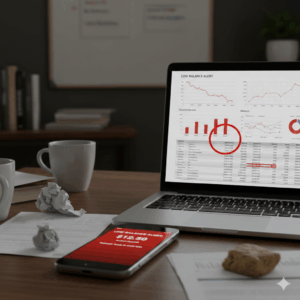
3. Growth Eats Cash
Growth is expensive.
More sales often mean:
- More inventory
- More staff
- Higher operating costs
Rapid growth can drain cash faster than slow growth.
Suggested read: The “Agency” Dilemma: Managing Project-Based Finances vs. Recurring Revenue
4. Loan Repayments Are Not Expenses
Loan repayments reduce cash, but only interest affects profit.
This is a classic cash flow trap.
A Short Story: Profitable on Paper, Empty in Reality
A small distribution business showed a profit of ₦18 million for the year.
The owner felt successful.
But most customers paid late. Inventory was paid upfront. Loan repayments were due monthly.
By year-end, the bank balance was almost zero.
The business was profitable, but constantly struggling.
The issue was not profit.
It was cash flow timing.

Why Cash Flow Matters More Day to Day
You pay salaries with cash.
You pay rent with cash.
You pay suppliers with cash.
You do not pay bills with profit.
Suggested read: Vendor Negotiations: How to Demand Better Payment Terms in a Tight Economy
This is why businesses collapse even while “making money.”
Cash flow keeps the lights on.
Signs You Have a Cash Flow Problem
You may have a cash flow issue if:
- You delay paying suppliers
- You rely on overdrafts constantly
- You panic before payroll
- You are profitable but stressed
- You avoid checking your bank balance
These are warning signs, not normal business stress.
How to Improve Cash Flow Without Faking Profit
1. Get Paid Faster
- Shorten payment terms
- Request deposits
- Follow up on invoices aggressively
Faster cash reduces pressure immediately.
2. Delay Cash Outflows Where Possible
Negotiate better supplier terms without damaging relationships.
Timing matters.
3. Separate Cash Flow Tracking From Profit Tracking
Do not rely only on profit reports.
Track actual cash movement weekly or monthly.
4. Plan for Cash Gaps
Know when cash will be tight before it happens.
Suggested read: Expense Cutting 2.0: Identifying “Zombie Subscriptions” Eating Your Reserves
Planning beats panic.
Cash Flow vs Profit in Simple Terms
Think of it this way.
Profit is a scorecard.
Cash flow is oxygen.
You can win the game on paper and still suffocate without oxygen.
How Zaccheus Helps You Understand Cash Flow vs Profit
Most business owners do not struggle because they are careless.
They struggle because visibility is poor.
Zaccheus, your AI CFO, helps you:
- See profit clearly
- Track real cash flow
- Understand timing gaps
- Plan ahead instead of reacting
When you understand cash flow vs profit, better decisions follow naturally.
Final Thoughts
Profit tells you if your business is viable.
Cash flow tells you if it is alive.
Suggested read: The Role of ESG in Attracting Investors
Confusing the two leads to stress, poor decisions, and unnecessary failure.
Mastering cash flow vs profit is not optional. It is foundational.
Call to Action
Stop running your business on guesswork.
Visit usezaccheus.com and let Zaccheus help you track cash flow, understand profit, and stay financially in control.