Fuel Subsidy Removal: Re-calculating Your Operating Costs for 2025
Fuel used to be a background cost. Now it is a line item that affects almost everything. Since fuel subsidy …


Fuel used to be a background cost.
Now it is a line item that affects almost everything.
Since fuel subsidy removal, transportation costs, logistics, power generation, and even staff welfare have become significantly more expensive. Many businesses entered 2025 still using old cost assumptions that no longer reflect reality.
If you have not recalculated your operating costs since subsidy removal, you are likely underestimating how much it truly takes to run your business.
What Fuel Subsidy Removal Changed
Fuel subsidy removal did not only affect petrol prices. It triggered a chain reaction across business operations:
- Higher transportation and delivery costs
- Increased generator and power expenses
- Rising supplier prices
- Increased staff commuting allowances
- Higher overall cost of goods sold
Fuel is now a core cost driver, not a side expense.
Why Old Cost Structures No Longer Work
Many businesses still price products and plan budgets based on pre-subsidy assumptions.
This creates three problems:
- Shrinking margins
- Cash flow pressure
- Pricing that no longer reflects reality
If your operating costs have increased but your prices have not adjusted, your business is silently absorbing the difference.
That is not sustainable in 2025.
Suggested read: The Hidden Drain: 5 Ways Nigerian SMEs Lose Cash Without Noticing
Areas Where Fuel Costs Hit the Hardest
1. Transportation and Logistics
Deliveries, staff movement, supplier pickups, and distribution costs have all risen sharply.
If your business depends on movement, fuel is now a major expense category.

2. Power and Energy
Generator usage has increased for many businesses due to unreliable electricity.
Fuel subsidy removal directly increases daily operating expenses for power.
3. Supplier Pricing
Suppliers pass fuel costs down the chain.
Even if you do not buy fuel directly, you pay for it indirectly through higher prices.
4. Staff-Related Costs
Transport allowances, remote work tools, or flexible hours now factor into cost planning.
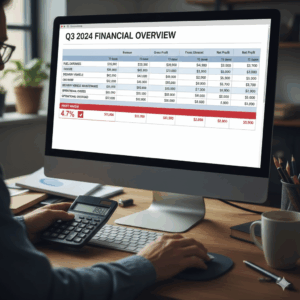
Step-by-Step: Re-calculating Operating Costs for 2025
Step 1: Identify Fuel-Linked Expenses
List every expense that rises when fuel prices rise:
- Deliveries
- Logistics
- Generator usage
- Supplier transport charges
Do not underestimate indirect costs.
Step 2: Update Cost Assumptions
Replace old fuel prices with current realistic averages.
Suggested read: The Joint Revenue Board: How Your NIN, BVN, and Tax ID Are Now Linked
Avoid best-case assumptions. Plan for volatility.
Step 3: Recalculate Cost Per Unit or Service
Divide updated operating costs by:
- Units sold, or
- Services delivered
This shows your true cost base post-subsidy.
Step 4: Review Pricing and Margins
Ask one critical question:
“Are we still pricing for profit or just for survival?”
If margins are gone, pricing or operations must change.
A Short Story: The Delivery Business Wake-Up Call
A small logistics company noticed profits falling despite steady demand.
After recalculating costs post fuel subsidy removal, they discovered fuel-related expenses had increased by over 40%.
Their prices had not changed.
Adjusting pricing and routes restored profitability within two months.
Suggested read: The “Agency” Dilemma: Managing Project-Based Finances vs. Recurring Revenue
The problem was not demand.
It was outdated cost assumptions.
Smart Ways to Manage Higher Fuel Costs
- Optimize delivery routes
- Consolidate trips
- Adjust pricing transparently
- Reduce unnecessary movement
- Invest in efficiency, not guesswork
Cost control in 2025 is about precision, not panic.
How Zaccheus Helps You Adjust After Fuel Subsidy Removal
Fuel subsidy removal made cost visibility non-negotiable.
Zaccheus helps you:
- Track rising operating costs clearly
- Understand fuel-linked expense patterns
- Recalculate margins accurately
- Plan pricing and cash flow with confidence
When you see the numbers clearly, decisions become easier.
Final Thoughts
Fuel subsidy removal permanently changed how businesses operate in Nigeria.
Ignoring its impact does not reduce costs.
It only hides them.
Re-calculating your operating costs for 2025 is not optional. It is how you protect margins, maintain cash flow, and stay in business.

Call to Action
Stop running your business on outdated numbers.
Visit usezaccheus.com and let Zaccheus help you track operating costs, adjust pricing, and stay profitable after fuel subsidy removal.
Suggested read: How Much Cash Runway Does a Nigerian SME Actually Need?